

Blog
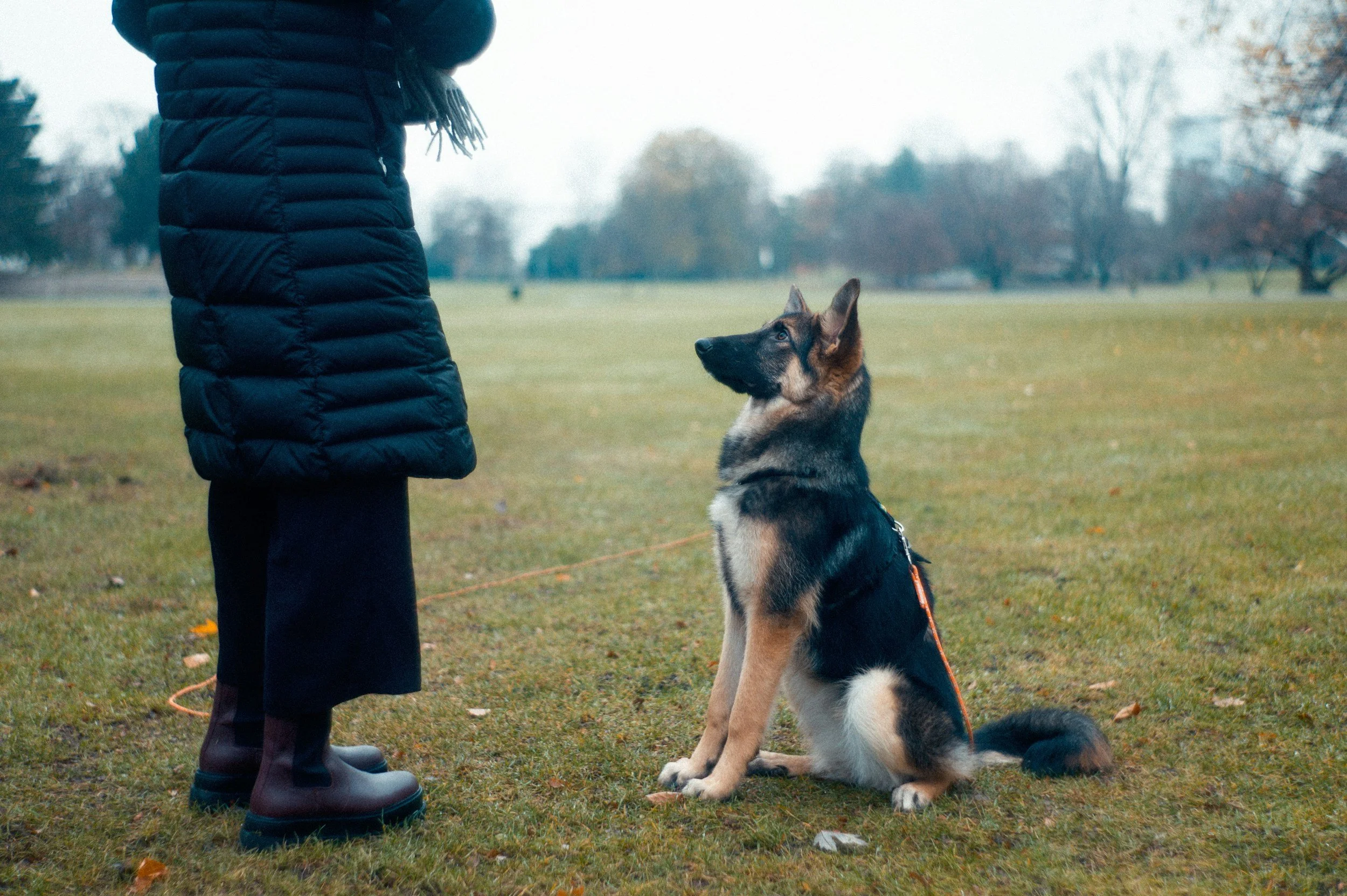
When will my dog be trained?
When will me dog be trained?
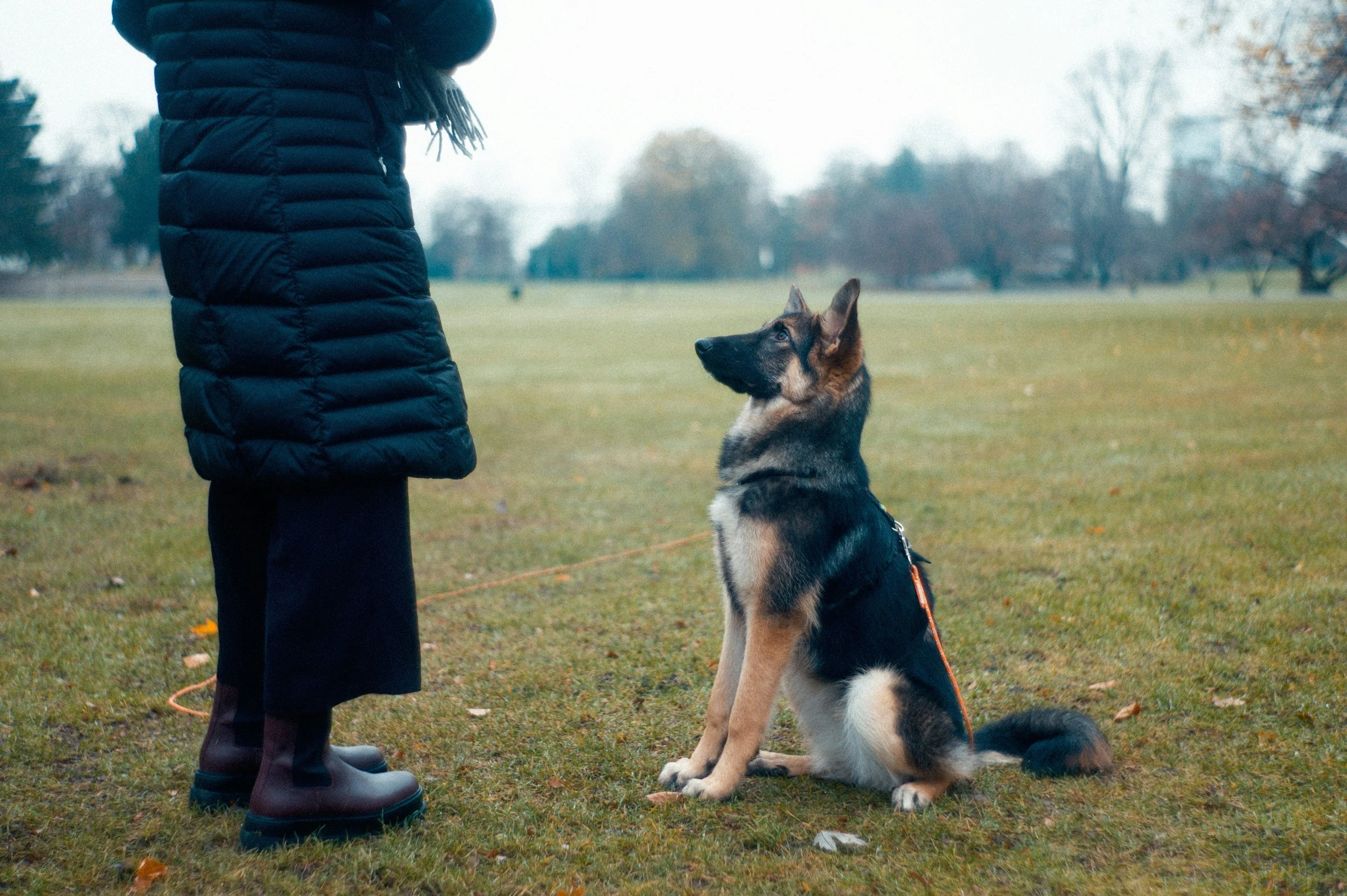
When will my dog be trained?
When will my dog be trained?
This is a question that we're asked regularly, and it can be a very open ended answer. There is no real answer to this question. Ask yourself this, when will you know everything there is to know in school? Or at your job? Or in your hobby? Right, the answer is probably never. Not if you want to continue improving yourself, and your performance in your school/job/hobby. The same goes for dogs. Training is never over.
So my dog will never be trained?
The answer to that question depends on the goals you set for yourself. We always encourage clients to set realistic expectations for their family and their dog. If you start training with your dog, and he's highly dog aggressive, what are your goals? The typical answer we hear is, "We want him to be friendly and play at the dog park!" Wrong. That will never be your dog. Not all dogs like other dogs, and that's ok. But setting that as a goal for yourself and your dog, will only lead you to disappointment, and overall let down. Because that's not a realistic expectation. Set your goals small, so you can work together to have several small achievements as you travel on your journey. Learn to love your dog, regardless of your battle. And keep working together to improve, because when you're at the bottom, the only way to go is up!
How will I keep track of small achievements?
We always recommend you write down on paper, the problems you have with your dog when you begin training. This will help you remember where you started, because trust me, once you make progress its easy to forget where you came from. Once you've started to see progress, write it down. You can even set weekly goals for your dog, so you know when you reach them, and what your weaknesses are. It's much easier to take that to the trainer so they know what areas to help you! But most of all, it will help you reflect on your journey together with your dog, so you can be more impressed with your progress and keep up your confidence.
What's the most frustrating thing you experience as a dog trainer?
The most frustrating thing we experience as dog trainers, is the owner not following our recommendations. We paint a picture for ourselves of making recommendations, a client following our plan, and the owner and dog trot off into the sunset together, the happiest they've ever been! Unfortunately, it rarely happens that way. Life happens. People are tired after work. They had unexpected family matters come up. We've heard it all, folks. The most frustrating thing we experience, is arriving at a home with our own expectations of the progress made since the previous lesson, to find out the owner hasn't done their homework. It's impossible for us collectively, to reach any goal if the owner isn't putting in the work. The analogy we like to use most, is the comparison of hiring a personal trainer for yourself to get in shape. You can research and find the most expensive, hollywood worthy personal trainer, and pay a small fortune to hire them. But if you don't follow their diet and exercise recommendations, you're not going to be in any better shape than you were at the last lesson with them. So do everyone a favor, and do your homework!
What if I follow the trainer recommendations, but I'm not making progress?
The most important thing you can do, is let your trainer know. If the trainer doesn't know there's a problem, they can't help you fix it. Training is not "one size fits all", and sometimes different things may need to be tried to achieve the desired behavior. Training is also not a "quick fix". Sometimes you may not be seeing results because you simply haven't given yourself enough time. Sometimes behaviors can be learned in a few short sessions, but when behavior modification is involved, it can sometimes take several weeks to months to see a change in behavior patterns. Don't get discouraged! Keep in communication with your trainer, don't get frustrated, and just remember that you and your dog are doing the best you can!
If you need training for your dog, or just want to talk with us about what's going on, give us a call! We service most of Genesee County, Livingston County, and Oakland County, MI. Call us at 248-733-3776. We can help with all ages, behaviors, and breeds. It's never too late to get started on fixing a problem behavior.
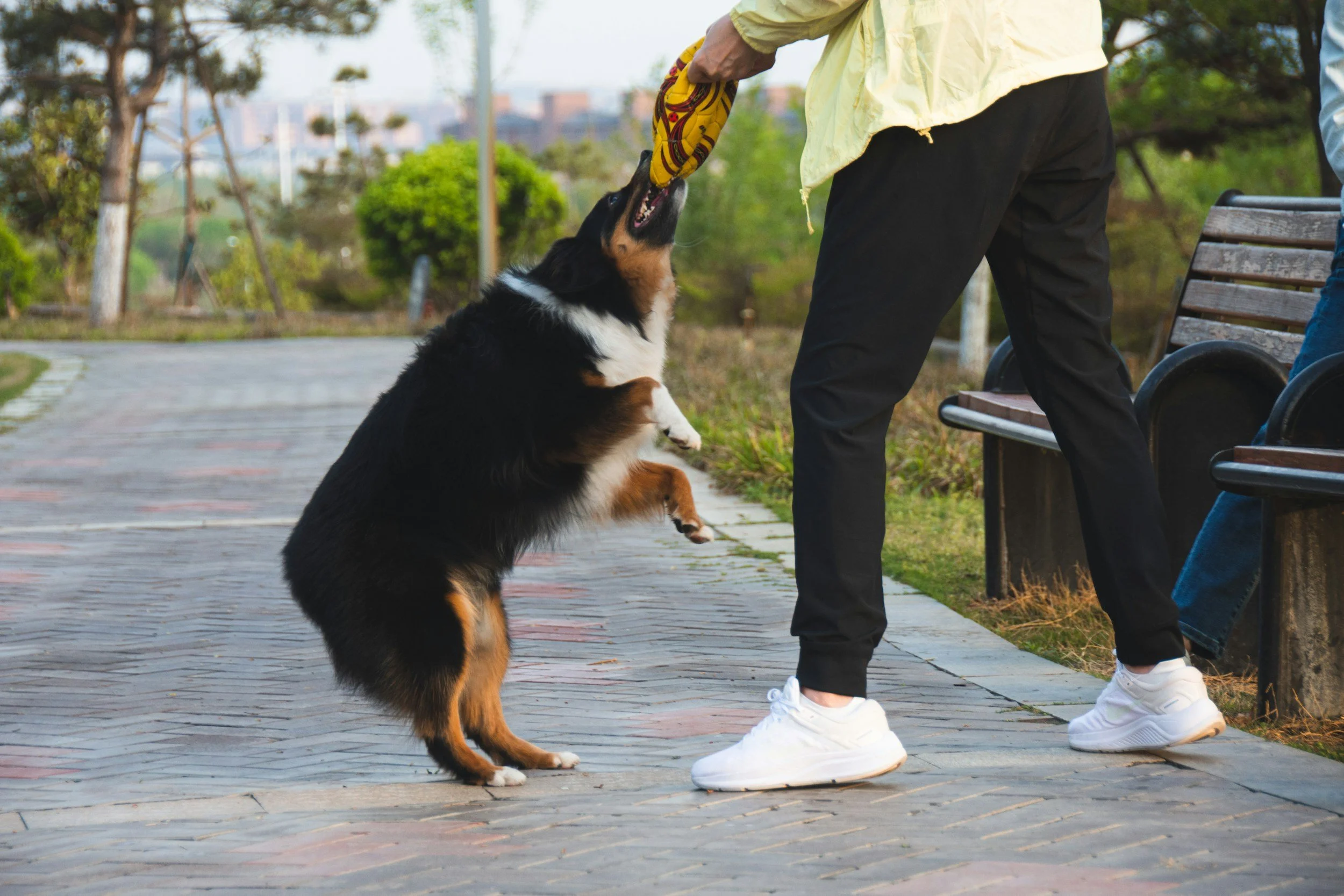
Keeping your dog's mind healthy during cold weather months
Keeping your dog's mind healthy during cold weather months
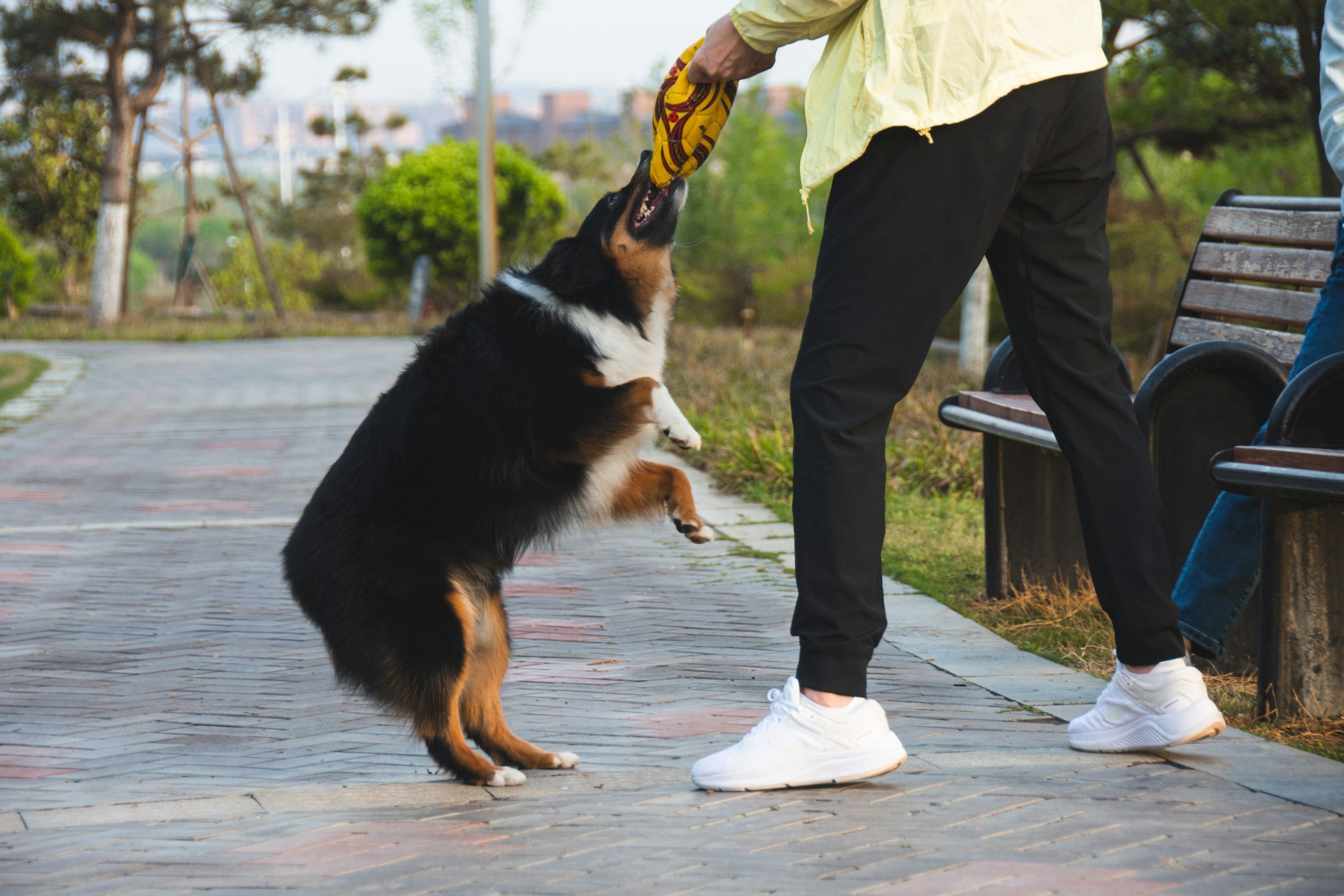
Exercise your dog!
A mentally exercised dog is a happy dog.
We all have an idea of the needs of physical exercise for the dog we’ve brought into our home. What we may not have put much consideration into, is mental exercise, or even physical exercise during the winter months!
As we know, some breeds don’t mind playing in the snow for extended periods, but many breeds get cold easily and lose interest in the outdoors on a cold winter day. Some dog owners are also not aware of mental exercise needs of their dog. Think about it like this: if all we did as humans was acted all day, without thinking, how far with that get us? We would get bored, and possibly get ourselves into trouble! Sound like a familiar situation at home?
What does mental exercise mean?
To start, let’s talk about mental exercise, what is that anyway? Mental exercise is making your dog think. In their natural habitat, a dog would have to constantly be thinking and problem solving for survival. Many of our dog’s natural instincts include what we consider to be nuisance behaviors such as digging, pacing, barking, chasing, biting, and being destructive. Being able to filter these instincts into energy level appropriate games will keep your dog physically and mentally healthy.
My dog gets plenty of exercise, he runs around the yard all day.
Would running laps around your house be adequate physical exercise for you? Dogs need to get out and explore to get the proper stimulation they need. Taking walks in public places, going to the park, and taking car rides are all ways your dog can get some of the stimulation he needs. However, that’s still not typically enough for most dogs. Especially in the cold weather months, its not always easy to take your dog out if it’s too cold for you both!
My dog sits before he eats, is that adequate mental exercise?
That’s a great start! Asking your dog to perform tasks for reward in your day to day life is a great way to make your dog think. We call it “train as you live”. Rather than allowing your dog to act impulsively on everything he does, make him think before he acts. This is not an easy task for most pet owners, especially dogs that are high energy or have a habit of doing things their way. Asking your dog to do simple things such as sit before he gets what he wants will help your dog’s mental health longterm. Ask him to sit before he gets anything he wants, such as going through doorways, going in and out of his kennel, getting a pet, getting on the furniture, getting in the car, etc. This will teach him to look to you for permission, rather than acting impulsively on what he wants to do. Reward does not always mean treat, either. Reward is giving the dog something they value. In this circumstance, the reward would be getting the pet, going through the door, or hopping on the couch.
Other types of mental exercise would be stationary games for dogs to play. There are hundreds of YouTube videos that show you different games you can make at home to occupy your dog mentally when you’re busy or away. For example, putting a muffin tray in a box, putting kibble in the pan, then putting tennis balls over the holes. This makes the dog figure out how to move the tennis balls to get the food underneath. That’s a beginner game to play, and once your dog figures that game out, there are tons of other games you can create for your dog while you’re away!
I don’t have a lot of extra time to exercise him in the winter, what are some ways I can do physical and mental exercise together?
Some of the most effective methods of properly stimulating your dog would be activities that combined physical and mental exercise. Anything that will make them think and physically move at the same time. A great toy you can make at home is called a flirt pole. With a narrow PVC pipe, a piece of rope through it, and a toy tied to the end, this “giant cat toy” for dogs is a great way to eliminate some of those natural instincts, while exhausting them physically and mentally. Another great exercise is teaching your dog how to walk on the treadmill. It takes a lot of thinking to keep themselves on the moving belt, and is a great way for them to walk or run for miles without ever leaving your livingroom!
A physically and mentally healthy dog is a happy dog. Keep up the good work with your dog year round, and let us know if you need more ideas for physical and mental exercise! We offer training for all ages, breeds, and behaviors. Servicing Oakland County, Livingston County, and Genesee County, MI.
October is Adopt a Shelter Dog Month
October is Adopt a Shelter Dog Month
Adopt a Shelter Dog
We're thinking about adopting a dog, what's the first thing we should know?
First and foremost, everyone in the family needs to be on board and committed to adding a new family member. Adopting a new dog is a big responsibility, and everyone needs to do their part. Everyone should sit down and discuss responsibilities for each member of the family so everyone is clear what their job is pertaining to the new dog.
We've agreed on adopting a dog, what kind of dog should we get?
Most people make a decision based on looks. Before you starting looking for a dog to adopt, you should research the breed(s) you're interested in to make sure it'll be a proper fit for your home. Make sure you ask yourself a few of these questions when looking at different breeds:
-Energy level: what energy level are you capable of living with? Understand the difference in physical stimulation and mental stimulation, and how much a certain breed will need on average.
-Training commitment: how much of a training commitment you're prepared to make? This goes along with energy level! A higher energy dog will require more stimulation, which training falls into the "mental stimulation" category.
-Personality: what type of companion are you looking for? Think about long term, would a more independent personality or a "ride or die" buddy fit your lifestyle?
-Medical care: have you looked into pet insurance? Certain breeds are more prone to health problems. Make sure you're prepared for acute/emergency care, as well as long term/chronic problems that a dog may suffer from. A small monthly insurance payment on your pet may prevent you from major expenses from illness or injury down the line.
-Finally, ask yourself what is a realistic expectation of adding this dog to your life? Is this a graduation present for a senior that's going to college next year? Are you planning to have children in the next 5-10 years? A dog is a 10-15 year commitment, make sure you've asked yourself all these questions!
We know the type of dog we're interested in, where do I find one?
We recommend you start by looking at local shelters and rescues near you. Keep in mind, there are small rescue groups that do not have a facility, but survive solely on foster homes. You can find shelters and rescues by searching on the internet, or visiting your local pet store. You can see when adoption events are scheduled at local pet stores, which typically take place on weekends. You can also search the internet for breed specific rescue groups, although some travel may be necessary to meet the dog you're interested in adopting. There are also many big shelters locally where you can go see several dogs at once, taking them out one at a time to play with them.
What do I look for at the shelter?
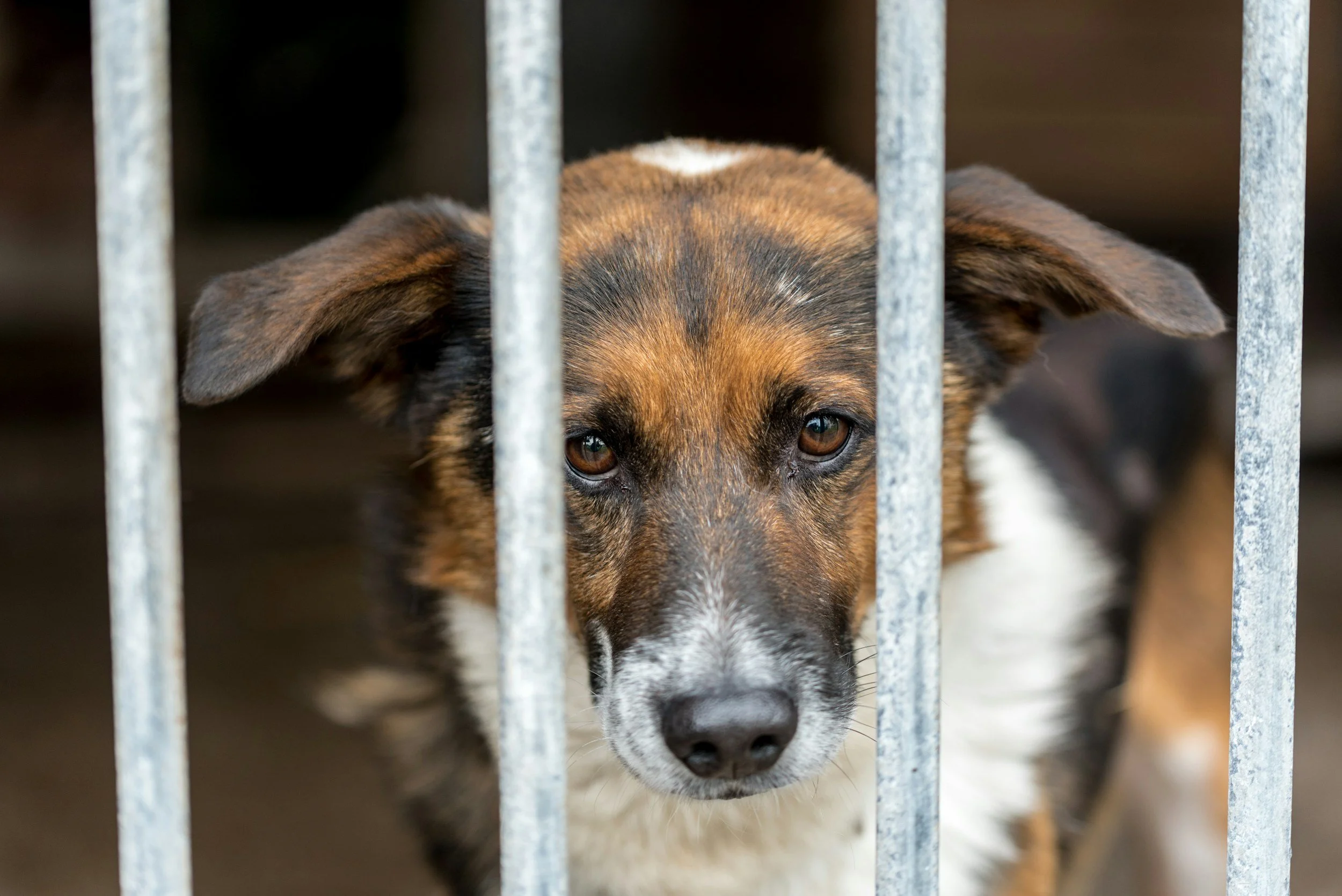
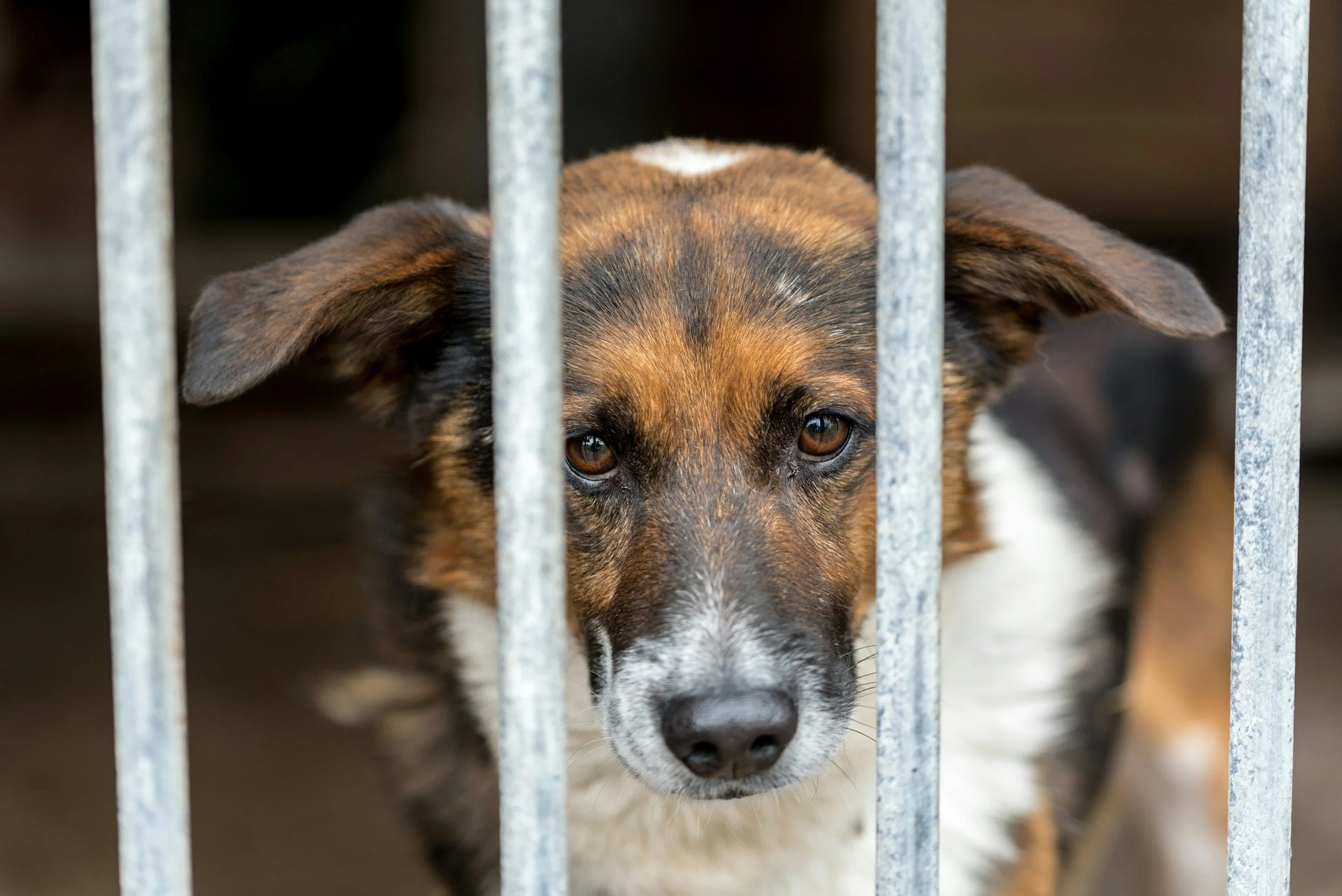
There are several behaviors a dog might exhibit at a shelter. If the dog is hiding in the back of the kennel with "sad eyes", chances are you will need to spend a lot of time establishing a relationship and building trust to help him overcome his nervous tendencies. If the dog is jumping on the door, barking and clawing, he'll likely need to work with a trainer to build self control and learn how to have an appropriate outlet for his energy. If the dog approaches the kennel door with a calm manner, you're more likely to have a middle of the road dog.
What can I expect with a rescue group?
Most rescues have foster programs, where the dogs live in a home with a family until finding their forever home. The fosters of these dogs may have a better history of expected behavior of their adoptable dogs, since the dog has had a chance to get more comfortable and show its true colors. They can tell you about the dog's strengths and weaknesses, and what it's like to live with the dog.
I found my perfect dog, what's next?
We're glad you've chosen a rescue dog to adopt! Make sure you meet qualifications for the certain rescue or shelter you're adopting from; some require things such as a training class be attended or a fenced yard at your home. If you have another dog at home, you should allow the dogs to meet on neutral ground, such as a park, before bringing your new dog home. Take a trip to the pet store and obtain all the essentials for your new dog, such as a kennel, a high quality dog food, a bed, toys to keep him busy, and an adjustable collar and leash to walk him. Also consider looking for a dog trainer to work with you if you have concerns about integration with another animal, or if you have questions about adequate mental and physical stimulation. Einstein Dog Training can help with basic and advanced needs, please contact us at 248-733-3776 to schedule your consultation!

Dog Training - Basic Questions
Dog Training - Basic Questions

Tina the Bernese Mountain Dog
Dog Training - The Basics
Why is it important?
Dog training is important on many levels. The most important time to start training on your dog is before a problem starts. Just as it’s important to take care of your pet’s health before they’re sick with adequate exercise and proper nutrition, its just as important to begin training before behaviors have gotten out of control. We call this preventative-training. Giving your dog a solid foundation of control at home and in pubic will allow your dog to look to you for guidance and direction, rather than to act on their impulses or instincts.
What are the benefits?
There are many benefits to having a well trained dog! Wouldn’t it be fantastic to take your dog in public to a park, a fair, or a sports event, without your dog pulling on the leash, barking, or showing ill behaviors toward other dogs and people? Most people get dogs for their companionship. But if your dog is out of control, it becomes very difficult to take them into public. Other benefits include a well behaved dog in your home, and around your friends and family, which leads to a healthy relationship between you and your dog.
When should I start?
We recommend starting your puppy with a basic obedience class to establish commands and beginning structure at home. Early socialization is also very crucial to your puppy’s early development and longterm interaction with other dogs. But its never too late! If you acquire your dog as an adult, or got a late start on training, preventative training is always beneficial to help build a better understanding of your expectations for your dog.
What is the difference between obedience and behavior modification?
Obedience and behavior modification go hand in hand. You can’t have behavior modification without obedience and control. Obedience is basically teaching your dog proper manners. Leash walking, coming when called, sit/down, stay, etc. are all obedience commands. These commands are very important for any dog to know, but obedience is much more than just knowing the commands. Your dog should be capable of performing these commands around distractions. Behavior modification is changing an unwanted behavior by a series of drills that show the dog the expected behavior and test the results. Behavior modification is typically used for more advanced behaviors such as anxiety, aggression, or fear based behaviors.
How do I know I need a trainer?
Taking a class with your dog is not always a necessity if you take all the proper steps of early socialization, getting them out and interacting with new people and dogs, and working on obedience and control. If your dog starts to exhibit behavior problems, or you’re having a hard time gaining and maintaining their attention around distractions, you should probably contact a trainer. You should always contact a professional before there’s a problem. Early behavior problems can often be fixed, but a negative behavior that goes too long sometimes becomes a way of life and a cure isn’t always an option. Almost all behaviors can be controlled, but not all can be fixed. The key to getting control is getting help early!
How do I know what training tools to use?
Your best bet is to start training using treats as a reward. The best treats to use on a regular basis would be a portion of your puppy’s daily meal. That prevents over usage of the treats, which can lead to upset stomach or excessive bowel elimination. If your puppy isn’t interested in working for dog food, there are a wide variety of training treats that can be used, in moderation. There are several other training tools on the market that can successfully help you achieve the goals you wish with your dog, however we recommend proper use being taught by a professional dog trainer before buying any training tool and putting it on our dog to try.
Consistency is key.
Lay the foundation and build on that one step at a time. Make sure your dog knows what your expectations are, both in your home and out of it. You can’t correct your dog for doing something wrong if you never taught them what they should be doing. Remember that each dog is an individual, there is no “one size fits all” when it comes to dog training. What worked with other dogs you had may not work for this one. Be open minded and flexible. And when in doubt, call a dog trainer!